
Mastering the Modern Media Scan

By Marely Arias and Mariela Azcuy
TLDR: How to Master the Media Scan
Build around two media scan types: an always-on reactive scan to catch breaking news and short-term hooks, and a scheduled strategic scan to dive deeper.
Scheduled scans should focus on signal: track recurring themes, journalist angles, and new reporter targets across priority outlets to uncover proactive pitch opportunities.
Make it actionable. Assign ownership, document insights in one place, and translate trends into specific pitch angles before the opportunity window closes.
News cycles don’t last days anymore, they last hours. Trends emerge, peak, and disappear before you’ve finished your second coffee (or third)!
For PR professionals, that means one thing: we have to be more nimble than ever. We don’t land coverage because of luck. We land it because we’re plugged into the news, our brands’ core beliefs, and how those two intersect.
That’s where a consistent media scanning methodology becomes a competitive advantage. It’s what helps PR teams spot trends early, keep pitches fresh, and identify opportunities before they become obvious to everyone else.
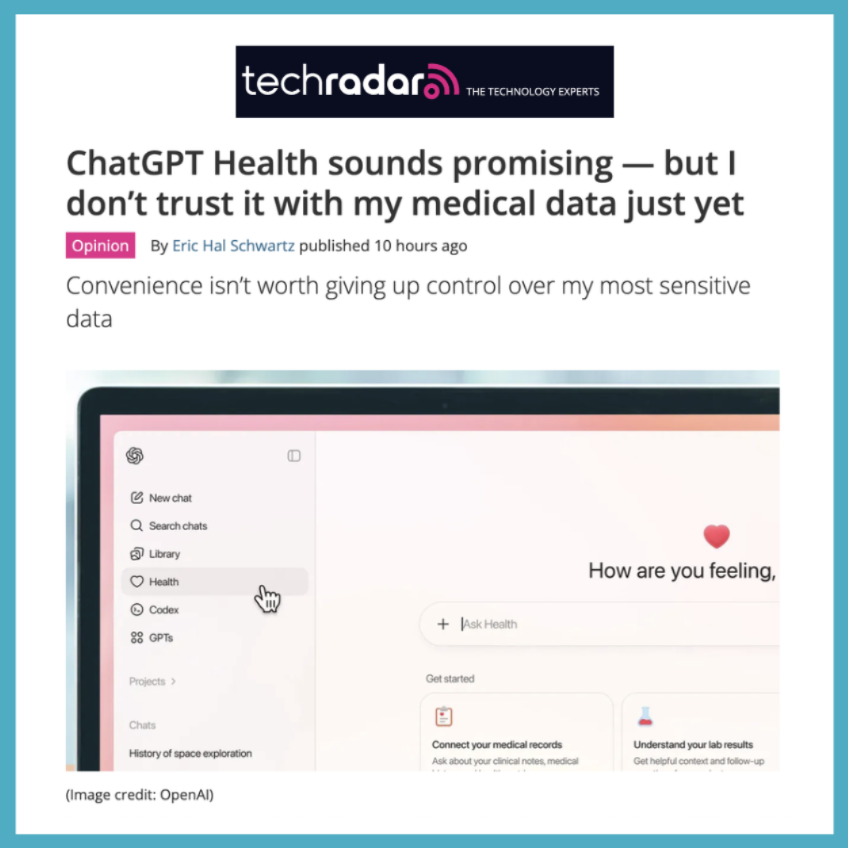
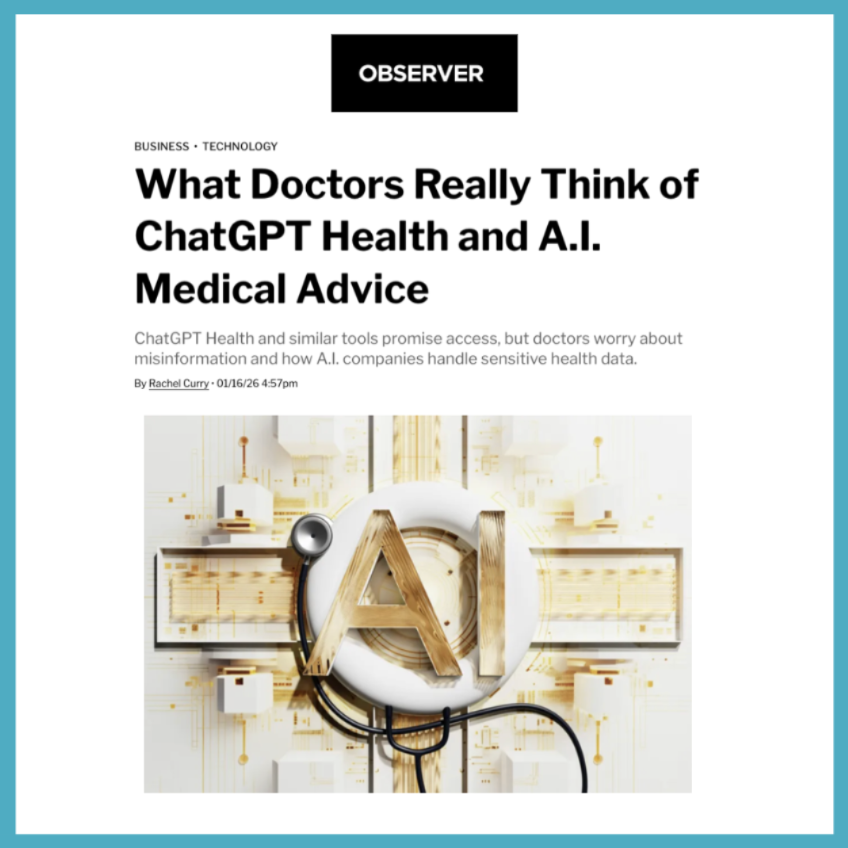
Media scans allow us to position our brands at the center of conversations happening in the media and the world. And if you don’t believe me, believe this piece of coverage.
Always-On vs. Scheduled Media Scans
Not all media scans serve the same purpose. The most effective PR teams run two types in parallel: always-on and scheduled.
Always-On Scanning: React in Real Time. This is exactly what it sounds like. It’s the daily habit of staying plugged in — monitoring headlines, social feeds, and industry chatter so you can move the moment something breaks. Always-on scanning shows up in Slack threads, quick-turn brainstorms, and “we should weigh in on this before competitors do” moments.
When coverage is the goal, speed outranks polish. You should prioritize this over other activities in the moment because the longer you wait, the less chance you have of being part of the conversation.
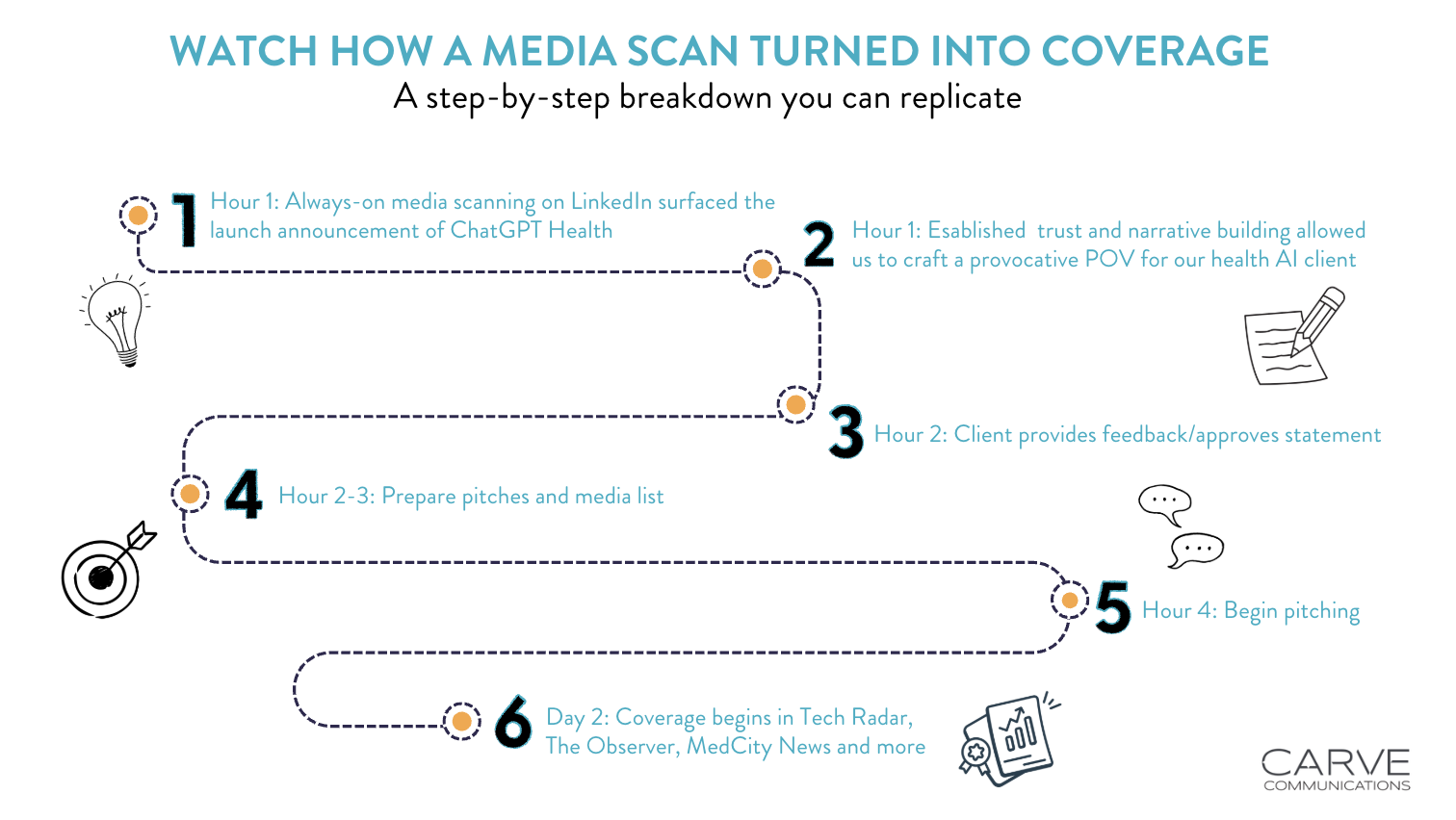
When OpenAI announced ChatGPT Health, we learned about it from a Fortune reporter’s exclusive announcement on LinkedIn. Within hours, we built a targeted list and pitched a contrarian POV from our client. He founded an AI healthcare app built on trusted medical data, so the subject was ripe for discussion. The work resulted in our client being quoted and mentioned in outlets like Tech Radar and The Observer.
Scheduled Scanning: Analyze and Anticipate. Scheduled scans are different. They’re intentional, focused blocks of time — we suggest two to three times per week — dedicated to deeper analysis.
This is where you zoom out. Instead of asking, “What just happened?” you ask:
What patterns are emerging?
Which reporters are circling the same theme?
Where are narrative gaps forming?
Which new voices are gaining traction in this space?
If always-on scanning helps you react, scheduled scanning helps you anticipate. The rest of this article focuses on how to run scheduled scans in a way that drives stronger positioning and smarter pitching.
The Anatomy of a Strategic, Scheduled Scan
Your scheduled scans should be quick and repeatable. Here are a few considerations for building your own media scanning methodology:
Build a focused keyword universe. Make a list of 10-12 keywords relevant to your strategy. These should be keywords and phrases directly tied to the conversations you want your brand associated with, not just the products you sell. This subtle shift moves it from “monitoring” to “positioning.” For example, if you were a beauty brand, “cruelty-free cosmetics” or “affordable skincare” might be on that list. You can add to it over time – and swap out phrases when you’re working on specific campaigns – but keep the list specific and targeted rather than broad and lengthy.
Use this list in search bars across outlets and platforms, and set up Google Alerts. If your alerts only track your brand and executives, you are being way too insular.
Map the information layer shaping your industry. This includes subscribing to the newsletters of the traditional trade outlets and beat reporters that cover your space. If you were a construction company, you might include Construction Dive. But don’t overlook niche freelancers and independent journalists who are building highly-engaged audiences, like Bhragan Paramanantham, who runs the Last Week in ConTech newsletter.
If you’re unsure where to begin, ask people in the industry for their must-reads. (We always ask new clients this during the onboarding period). Tools like ChatGPT can also help you identify relevant newsletters in your sector and go from there. Just be sure to fully vet the list. It’s not uncommon for an LLM’s recommendations to be invalid (ie, no longer publishing) or not a fit in some way.
PRO TIP: One thing we’ve found is that once you identify one excellent newsletter resource, that typically leads to others. Pay attention to the sources newsletters cite and their curated sections – follow the clicks! And hone in on the ones that consistently give you the most value. Remember that a focused list is better than inbox overload.
Monitor social channels. Reporters are using platforms like LinkedIn and X to share what they’re working on, ask for sources, and report on relevant trends. Spending time reviewing journalist feeds not only prevents missed opportunities, but it also creates natural touchpoints for engagement outside of inboxes. For example, this Inc. reporter searching for unconventional founder stories:
Interrogate the landscape with LLMs. LLMs can accelerate your scan if you use them intentionally. Start with targeted prompts designed to surface patterns, and always require citations. For example:
What themes are emerging in coverage about [industry] over the past 30 days? Include citations and links.
Which reporters are consistently covering [topic]? Provide recent examples with sources.
What outlets have written about [competitor] in the last quarter? Cite specific articles.
What trends are being discussed in relation to [keyword]? Include publication names and dates.
Build this into a regular exercise. When we do this for clients, we’re able to spot new opportunities from outlets and reporters to pursue to positioning we may want to reconsider.
Media Scanning in Practice
This shouldn’t consume your day. The point is to quickly take stock of what’s going on in the world adjacent to your brand in a way that makes your pitching strategy more actionable, not force you to get stuck in the weeds.
We try to stick to a few guidelines with our scheduled scans:
Be efficient. Each scan should take 15–20 focused minutes. Set a timer.
Rotate your sources. If you check the same outlets and reporters every week, you’ll be subject to the same editorial lens. Work to broaden vs. narrow your perspective.
Assess the opportunity. Before pursuing something, ask: Can we offer a distinct, credible point of view? Is this an opportunity or a trend we should move on? There may be times when you choose to pass on an opportunity. Often, it’s because the situation is politically heated, risks alienating customers, or simply isn’t worth the investment of time and energy.
Be selective. Two to three strong, actionable opportunities are more valuable than ten random links. Call out the specific value of each opportunity; is it a new reporter target? A new trade publication you haven’t found before?
This shouldn’t be a tedious roundup of headlines and links. For every piece we flag, we add why it matters, how it connects to the broader narrative, and where there may be an opportunity for us to contribute.
Below are two media scans we conducted for a construction tech client:
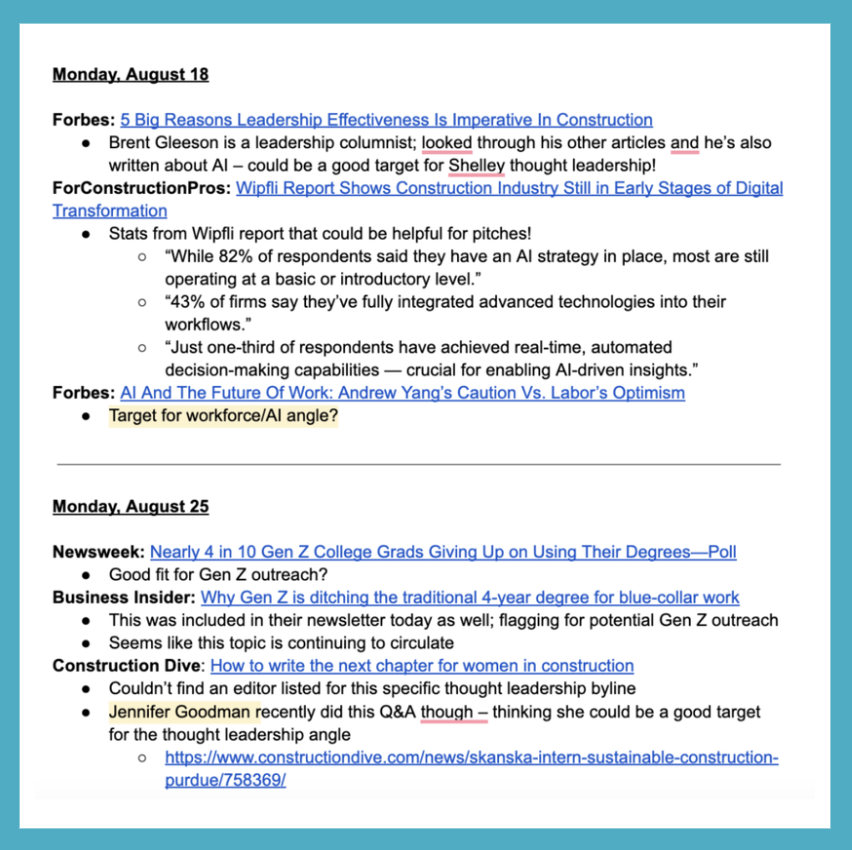
We often call out:
✅ New reporters to build relationships with
✅ Potential pitch angles tied to timely trends being covered
✅ New publications for angles we were already pitching
✅ Narrative pattern shifts (ie, are labor issues being framed as a “shortage” or a “Gen Z rejection?”)
✅ Which competitors are being quoted
✅ Data hooks that could support our narrative
The news cycle won’t slow down, and neither should your strategy. Media scanning is about keeping your finger on the pulse of what’s happening so you can fit your brand into those conversations. It gives us the clarity and confidence to act at the right moment, with the right message.